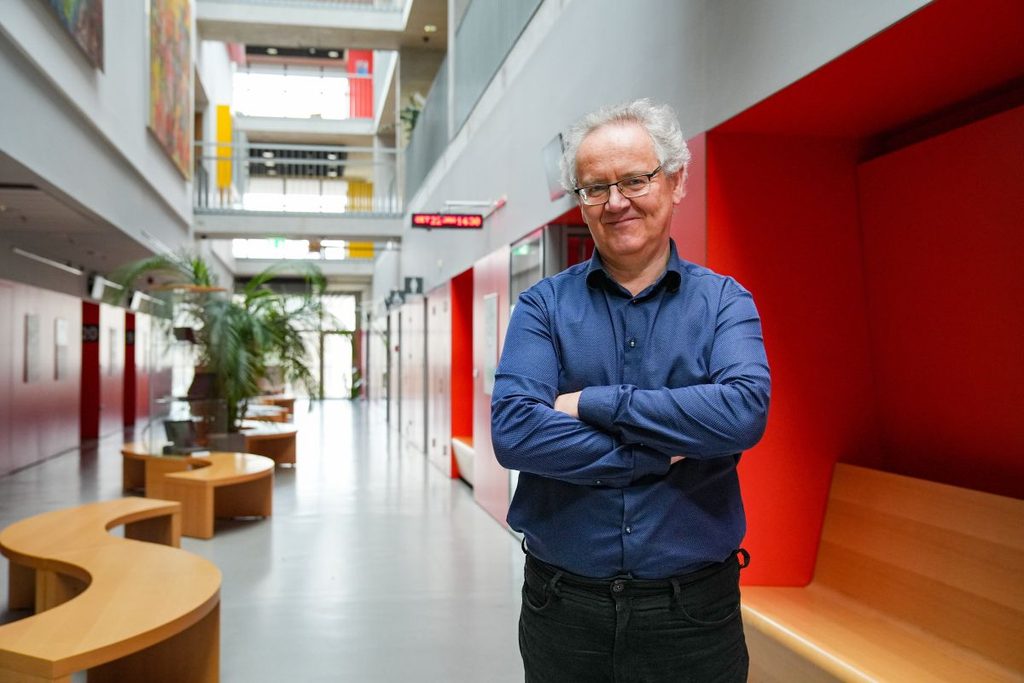
Marko Robnik-Šikonja on Stanford/Elsevier Top 2% Scientists List for 2026
The Stanford/Elsevier Top 2% Scientists List highlights the world’s leading scientists who have made a substantial impact in their fields through their citation influence.

The Stanford/Elsevier Top 2% Scientists List highlights the world’s leading scientists who have made a substantial impact in their fields through their citation influence.
The AI4DH Summer School 2027 invites researchers and practitioners from around the world to submit proposals for workshops exploring the applications, implications, and critical dimensions of artificial intelligence in the digital humanities.
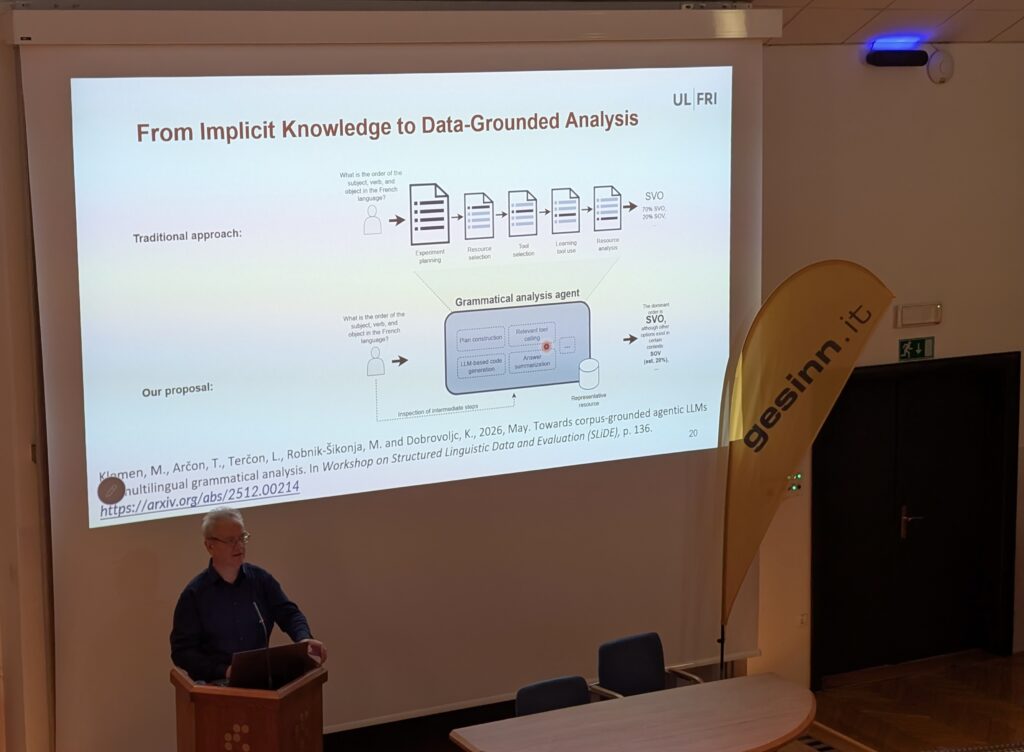
Prof. Dr Marko Robnik-Šikonja delivered a keynote speech at the MediaWiki Users and Developers Conference Fall 2026, exploring the key differences between large language models (LLMs) and agentic systems.
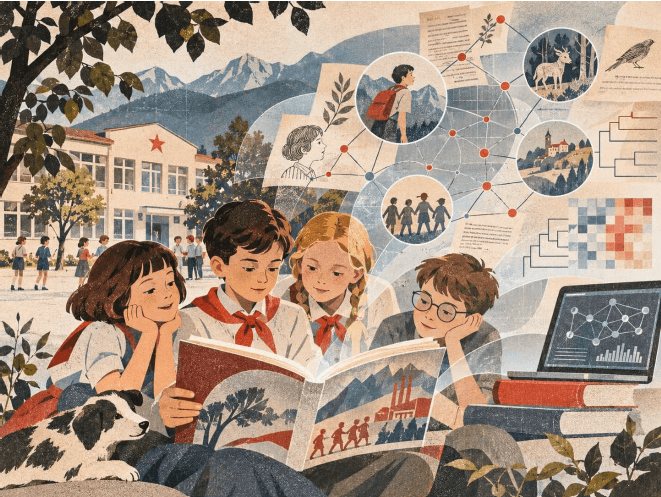
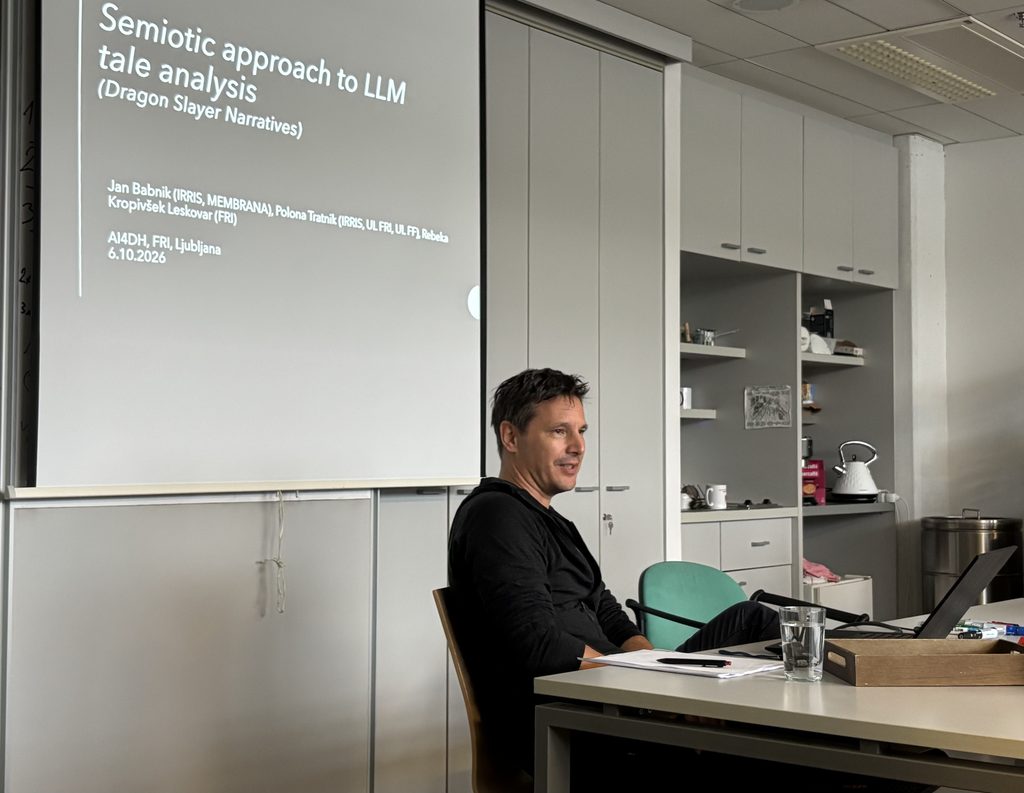
The workshop brought together interdisciplinary researchers with the aim of developing a methodology for analysing fairy tale narratives.
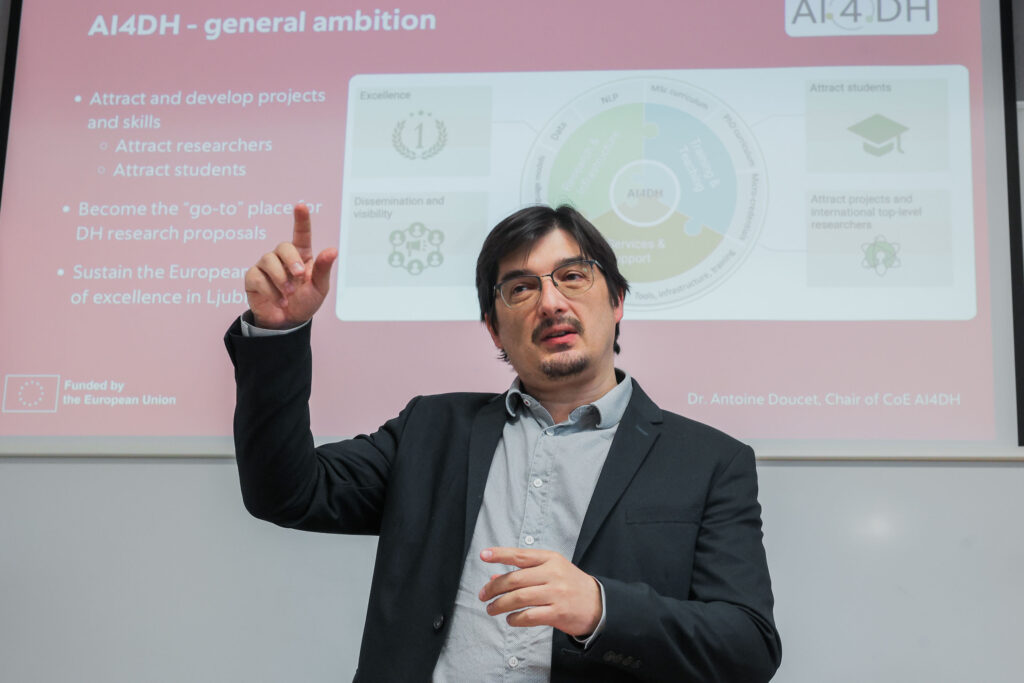
We spoke with Antoine about his research topics, his vision for AI4DH and his views on the recent technological advancements in AI.
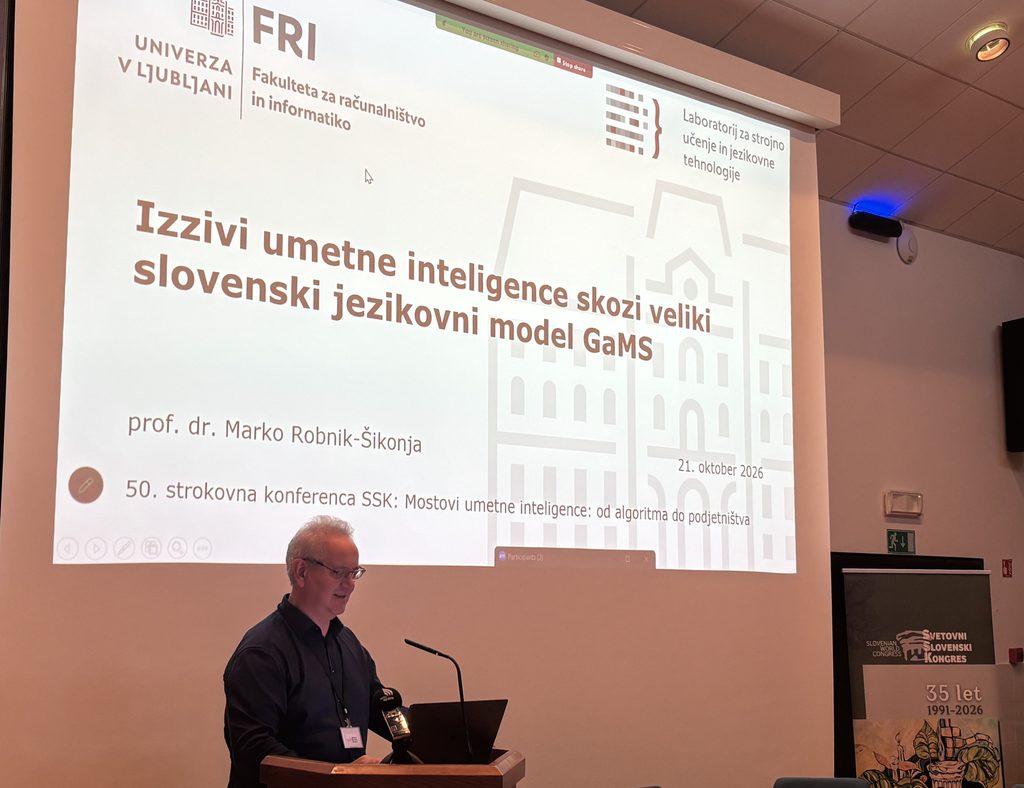
Keynote speech at the 50th Conference of the Slovenian World Congress by Prof Dr Marko Robnik Šikonja.
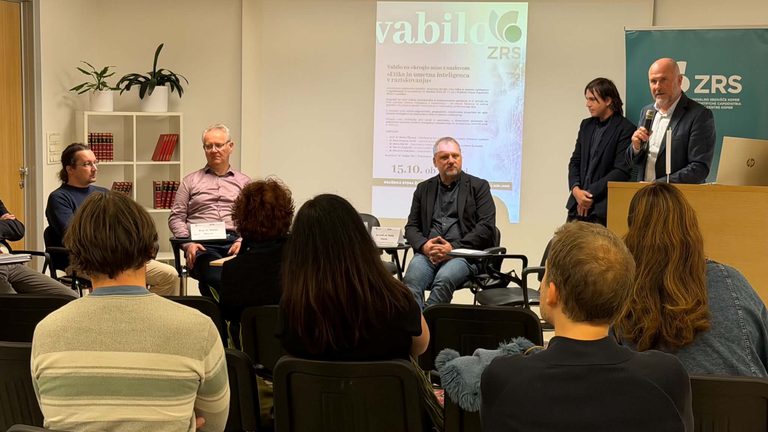
Dr Marko Robnik-Šikonja participated in a roundtable discussion on research ethics in the age of artificial intelligence, organised by the Science and Research Centre Koper.
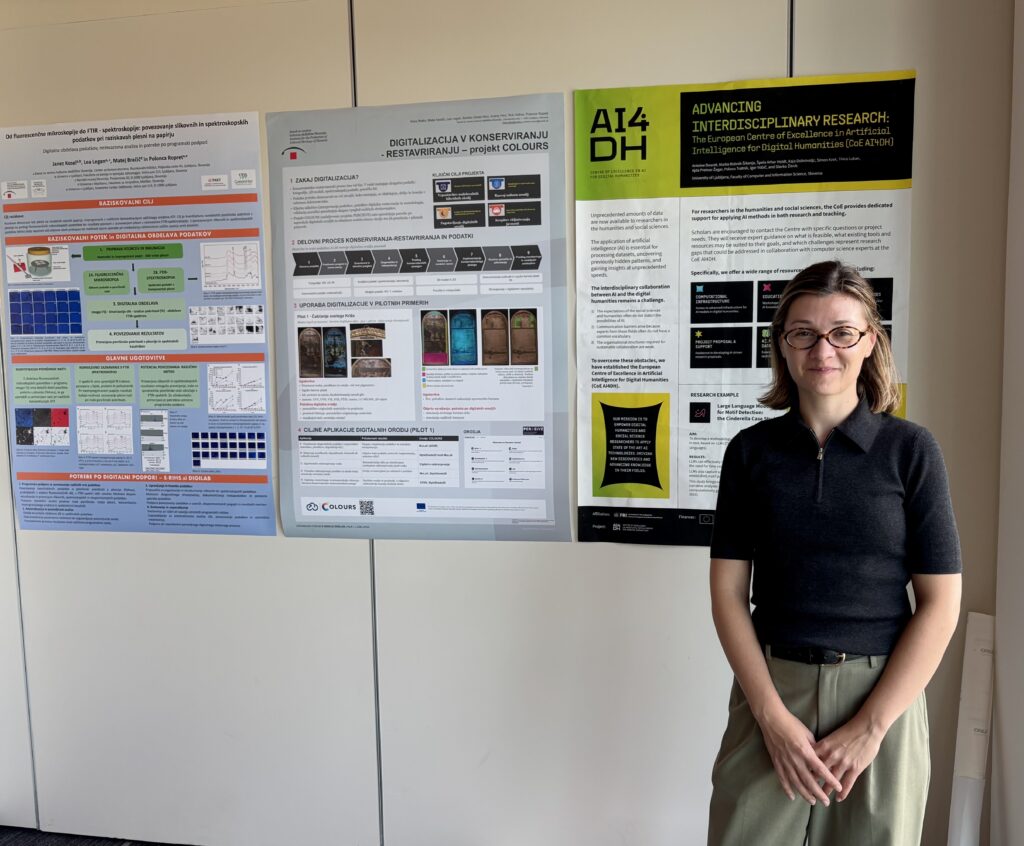
On 15 October 2026, the AI4DH team participated in the founding forum of E-RIHS.si DIGILAB, From Data Space to Digital Research Tools for Cultural Heritage.
AI4DH welcomes visiting researcher Dr Jan Babnik from the IRRIS Institute.
Members of the AI4DH team presented their research on computational methods for folkloristics and parliamentary data, and on Slavic named entity recognition.