AI4DH at the Language Technologies and Digital Humanities Conference 2026
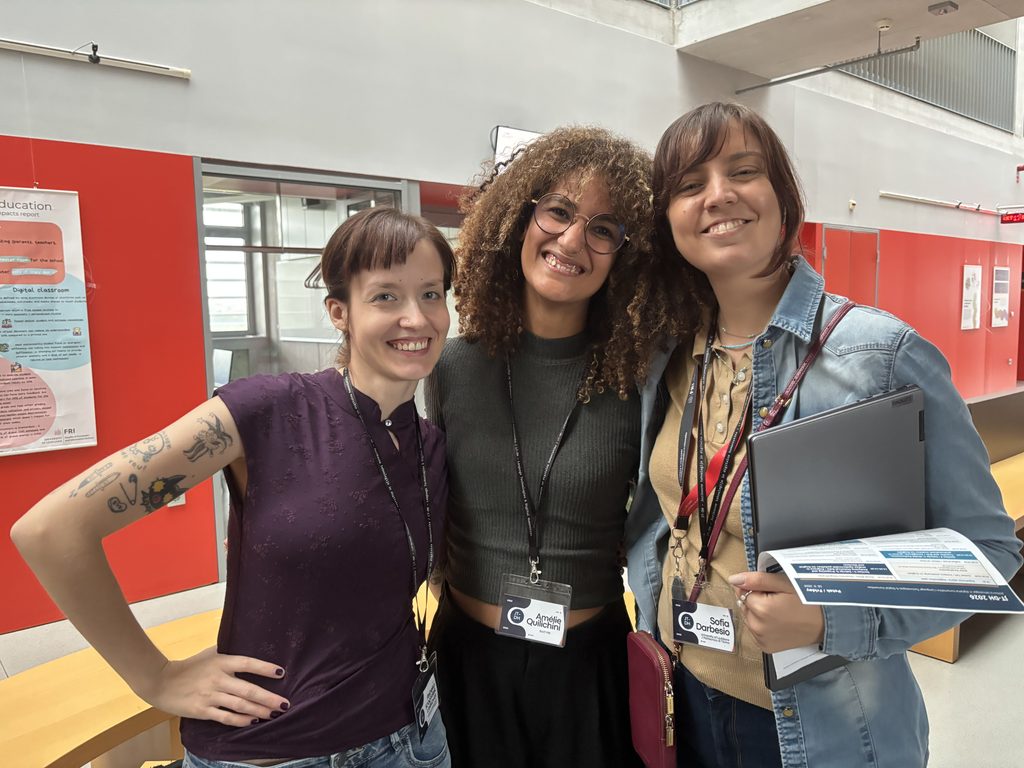
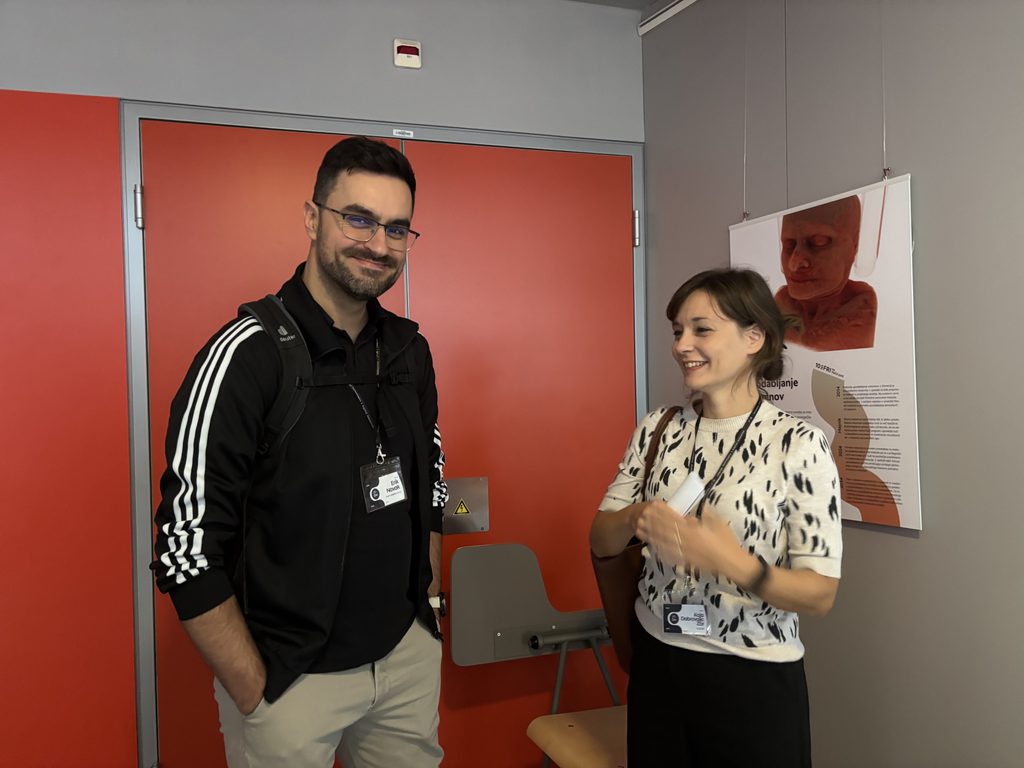
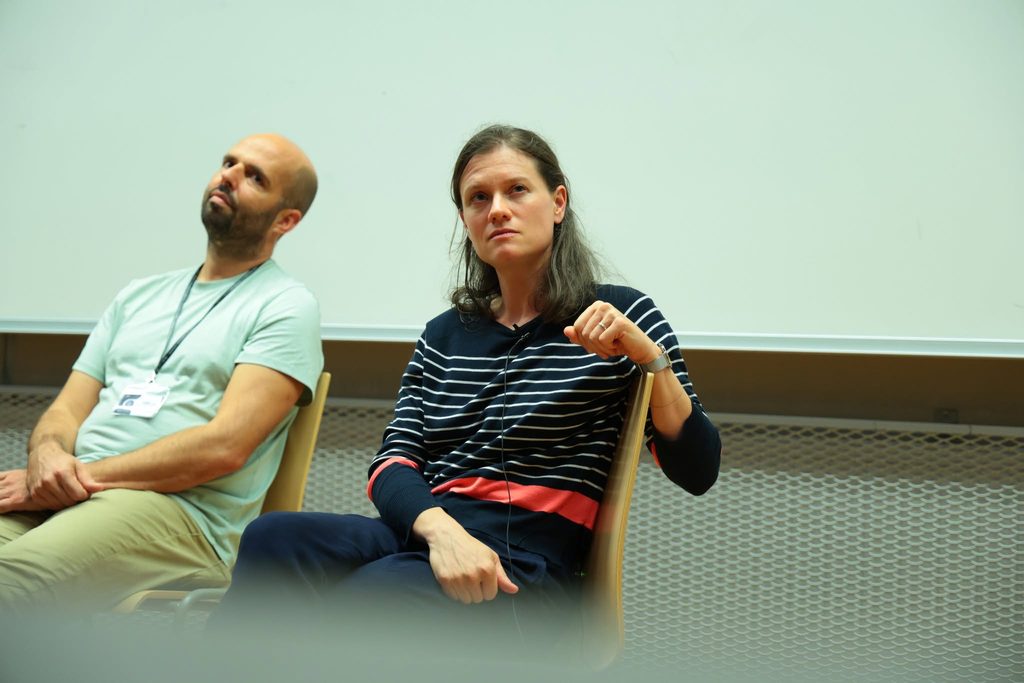
On 17 and 18 September, AI4DH hosted the biennial conference Language Technologies and Digital Humanities 2026. The conference was organised by AI4DH, the Institute for Contemporary History, the Centre for Language Resources and Technologies and the Slovenian Language Technologies Society.
The conference received 63 submissions from Slovenia and abroad, of which 48 were accepted. Topics included model evaluation, adaptation and trustworthy NLP, language resources, lexicography and language accessibility, historical texts, archives and cultural heritage, as well as political discourse.
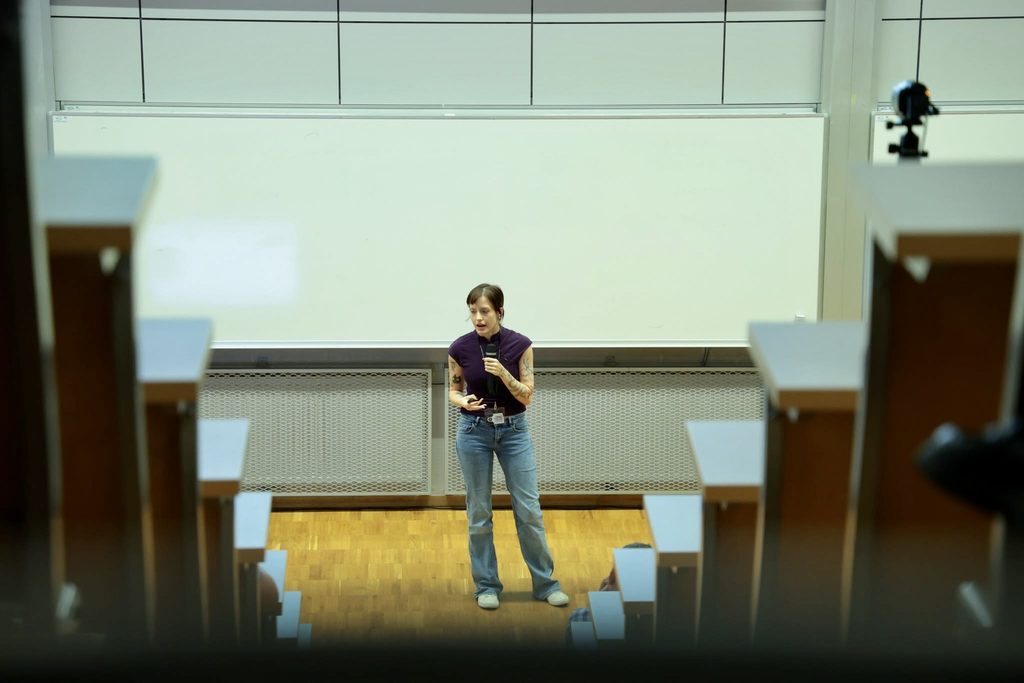
Andrea Kocsis opened the conference with a keynote speech on the importance of embracing the messiness of humanities data. The talk emphasised that what looks like noise and error from a computational perspective may count as evidence from a humanities perspective, and it offered alternative ways of handling such data.
Members of the AI4DH team presented their research on computational methods for folkloristics and parliamentary data, and on Slavic named entity recognition.
Rebeka Kropivšek Leskovar presented a computational framework for identifying character archetypes in folk tales, grounded in Seal and White’s encyclopaedic work Folk Heroes and Heroines Around the World.
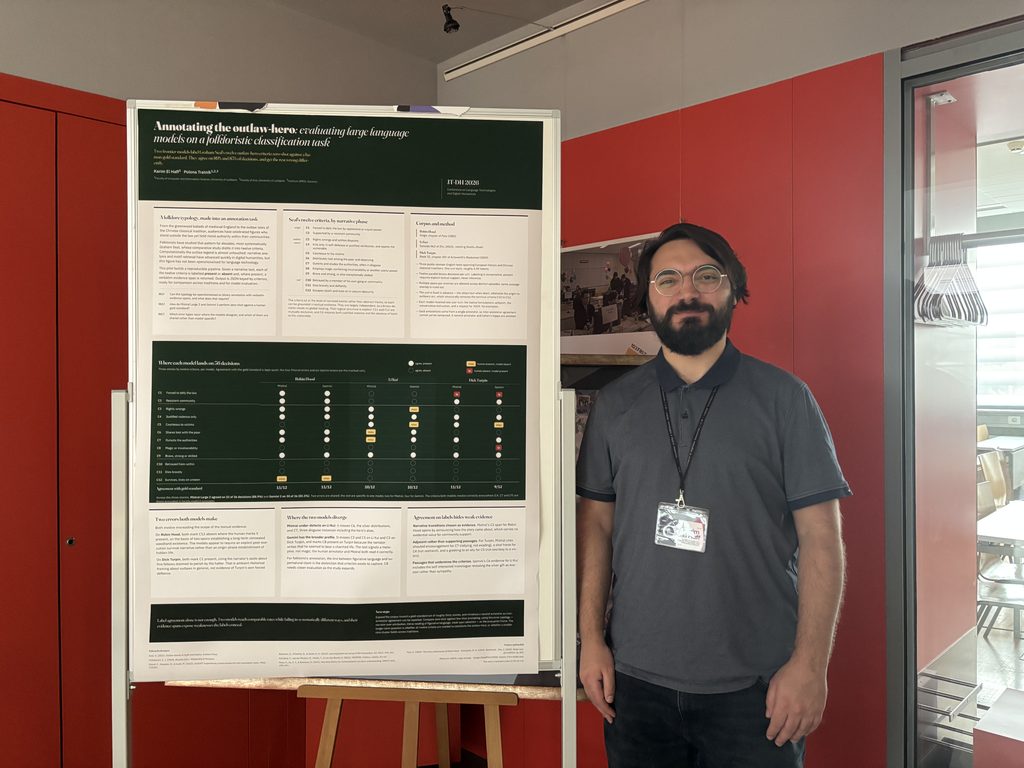
Karim El Haff presented his research on evaluating large language models on a folkloristic classification task.
Kaja Dobrovoljc Zor presented how syntactically parsed corpora like Gigafida 2.2 can be used by linguists to find complex syntactic patterns.
Nada Lavrač co-authored a presentation on the benefits of multilingual transfer for Slavic named entity recognition.
Ajda Pretnar Žagar organised a workshop, The DiPaDa: Digital Parliamentary Data in Action, which explored this question by bringing together computational and humanistic approaches to historical parliamentary data.
Conference proceedings are available at this link.