AI4DH Workshop: Large Language Models for Digital Humanities: A Hands-On Introduction
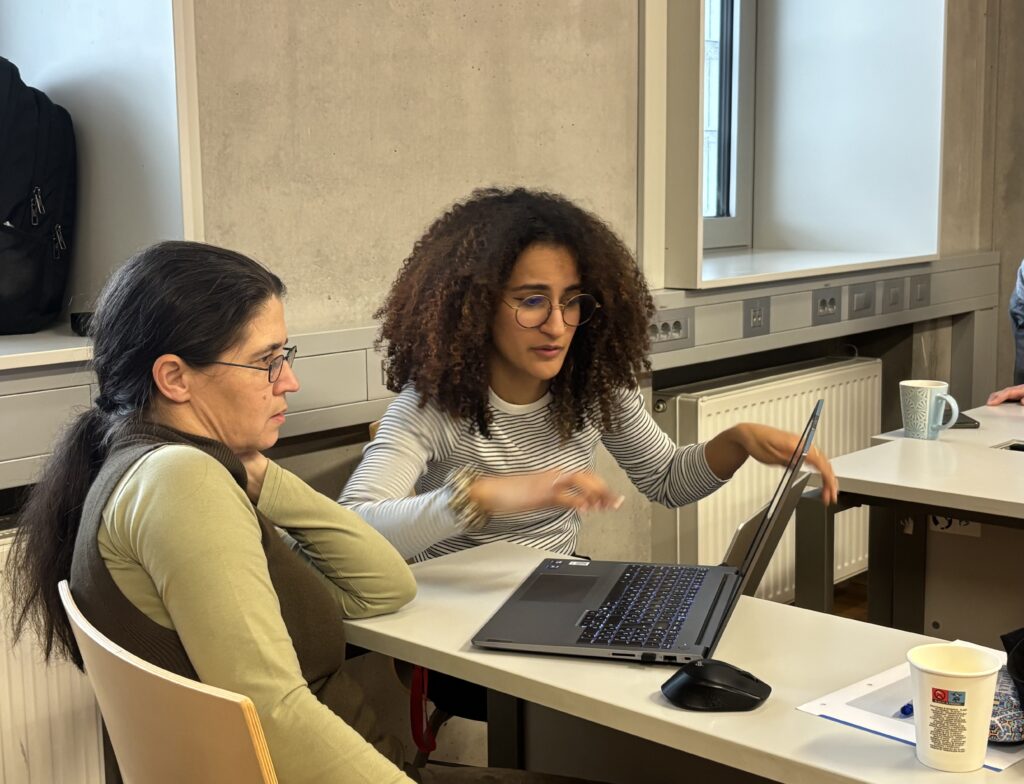
On 4 February 2026, we organised a full-day hands-on introduction to using large language models in digital humanities and social sciences research.

On 4 February 2026, we organised a full-day hands-on introduction to using large language models in digital humanities and social sciences research.
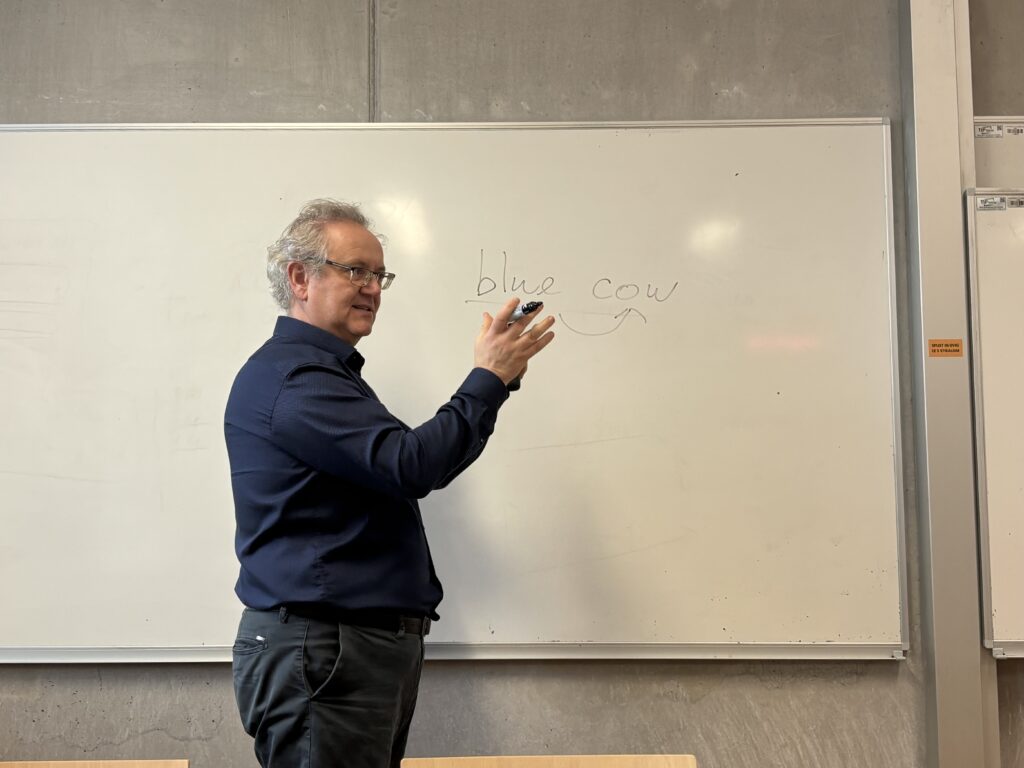
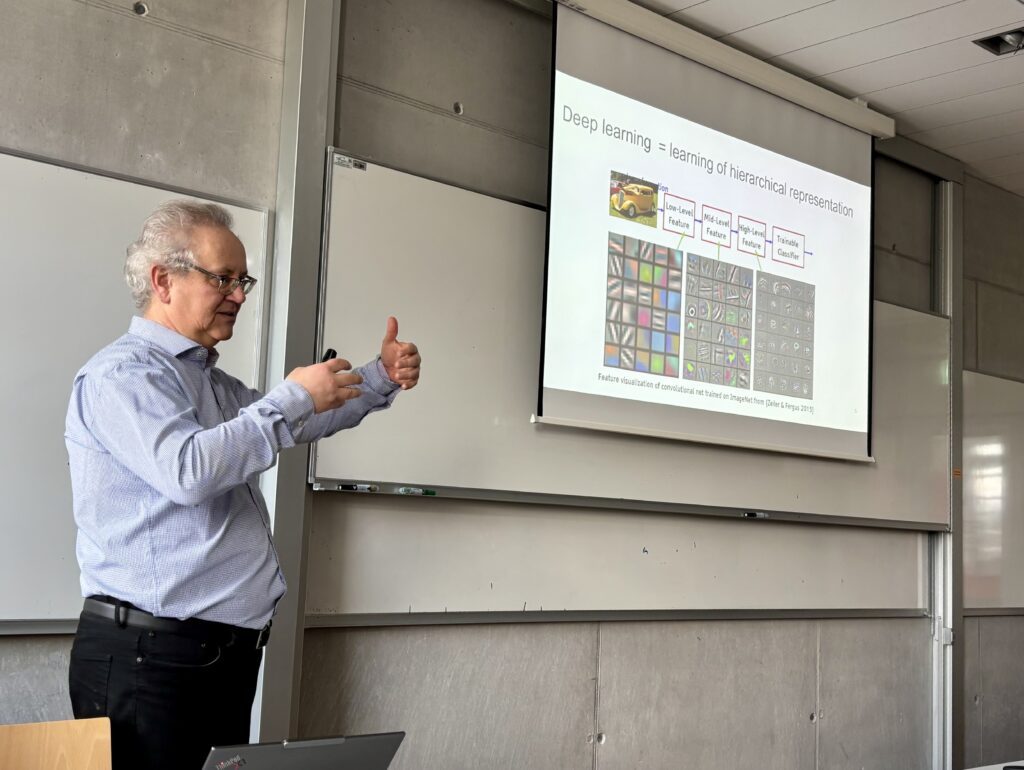
Prof. Dr Marko Robnik-Šikonja presented the workings of the transformer architecture in neural networks and decoder models, which are used in generative models such as ChatGPT.
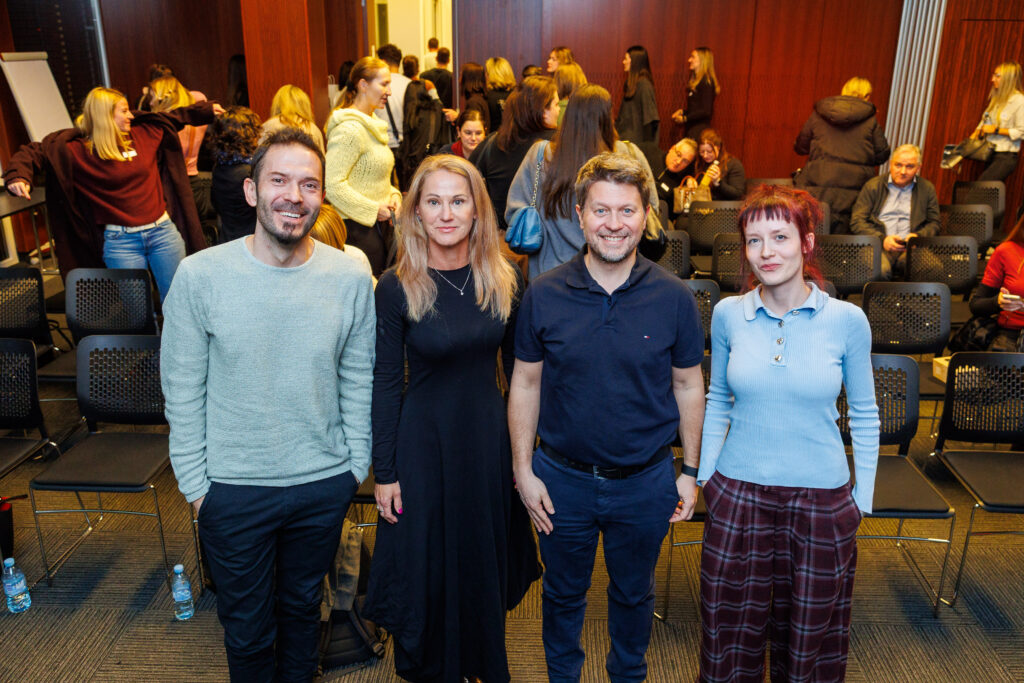
PhD researcher Rebeka Kropivšek Leskovar took part in a panel discussion titled Trendomania: What will shape the game in 2026?, organised by the Slovenian Marketing Association as part of its member meetup.
On Monday, 26 January 2026, we launched the AI4DH 2026 Workshops and Lecture Series with a lecture by Prof. Dr Marko Robnik-Šikonja on large language models for analyses in digital humanities.
In this long-read article, we share insights into our ongoing research and the main challenges we are tackling.
Our first session brought together participants interested in using Python for digital humanities, focusing on supporting each other in addressing practical questions that arise when learning to code.
Apply for a research stay at the European Centre of Excellence in Artificial Intelligence for Digital Humanities (CoE in AI4DH) at the University of Ljubljana.
You choose a course that suits you, start learning at your own pace, and then meet with the group every two weeks to discuss challenges, ask questions, and troubleshoot problems together.
In January and February 2026, three seminars and workshops will be offered for digital humanities and social sciences scholars who want to deepen their knowledge of AI and apply it in their research.
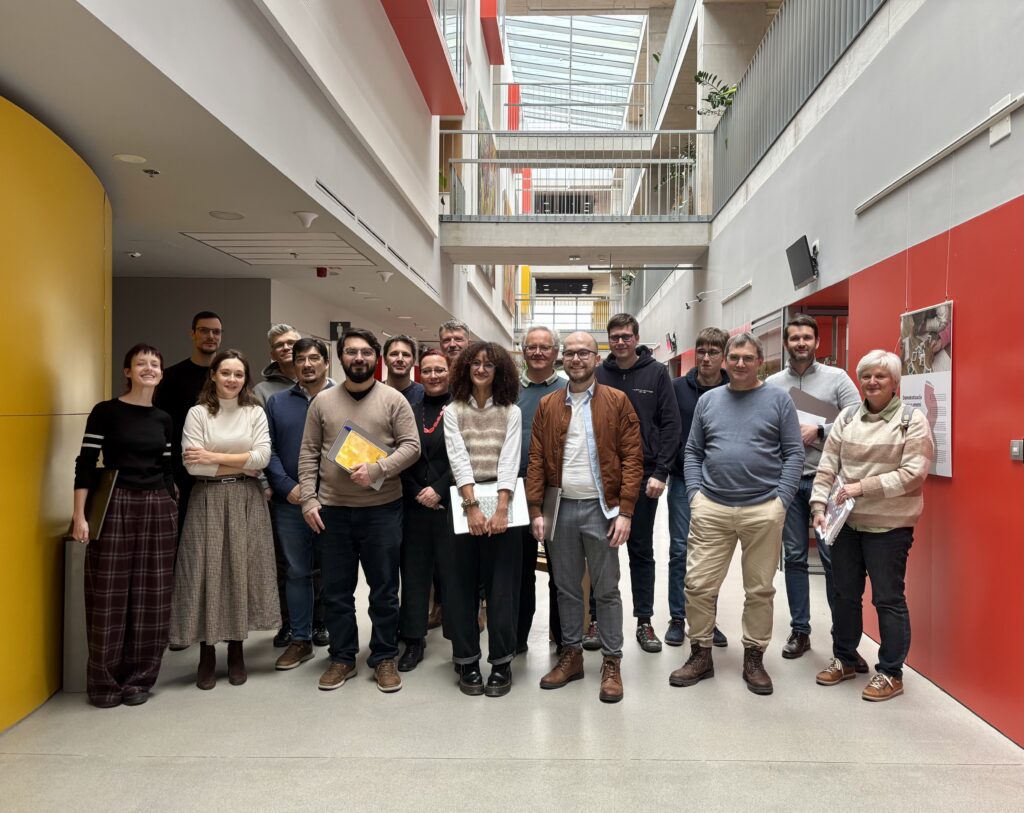
On 10 December, two members of our team presented our research findings and announced the dates of our 2026 workshops at a public event at the Faculty of Computer and Information Science, University of Ljubljana.