Visiting opportunities in AI4DH
Apply for a research stay at the European Centre of Excellence in Artificial Intelligence for Digital Humanities (CoE in AI4DH) at the University of Ljubljana.

Vse novice so v angleškem jeziku.
Apply for a research stay at the European Centre of Excellence in Artificial Intelligence for Digital Humanities (CoE in AI4DH) at the University of Ljubljana.
You choose a course that suits you, start learning at your own pace, and then meet with the group every two weeks to discuss challenges, ask questions, and troubleshoot problems together.
In January and February 2026, three seminars and workshops will be offered for digital humanities and social sciences scholars who want to deepen their knowledge of AI and apply it in their research.
On 10 December, two members of our team presented our research findings and announced the dates of our 2026 workshops at a public event at the Faculty of Computer and Information Science, University of Ljubljana.
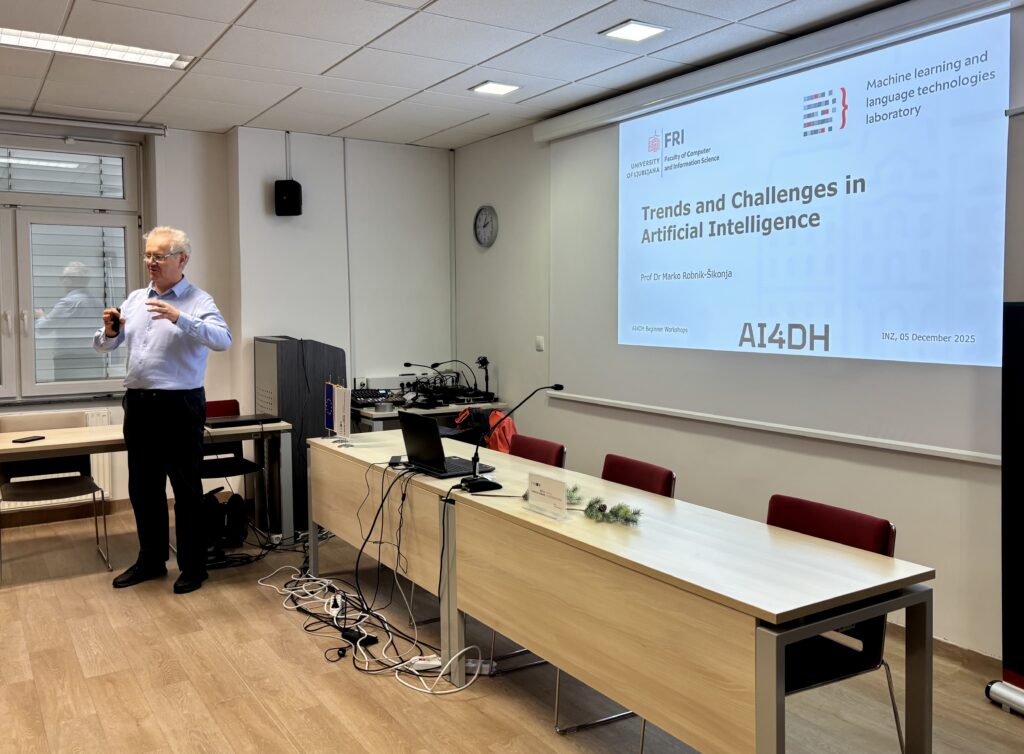
On Friday, 5 December, Dr Marko Robnik-Šikonja gave a presentation on trends and challenges in artificial intelligence as part of the beginner workshop series.
EM Lewis-Jong is the Founder of Mozilla Data Collective. We explored the Mozilla Data Collective, the challenges of data sharing, the importance of building infrastructure for less-resourced languages, their use of AI, and their doctoral research.
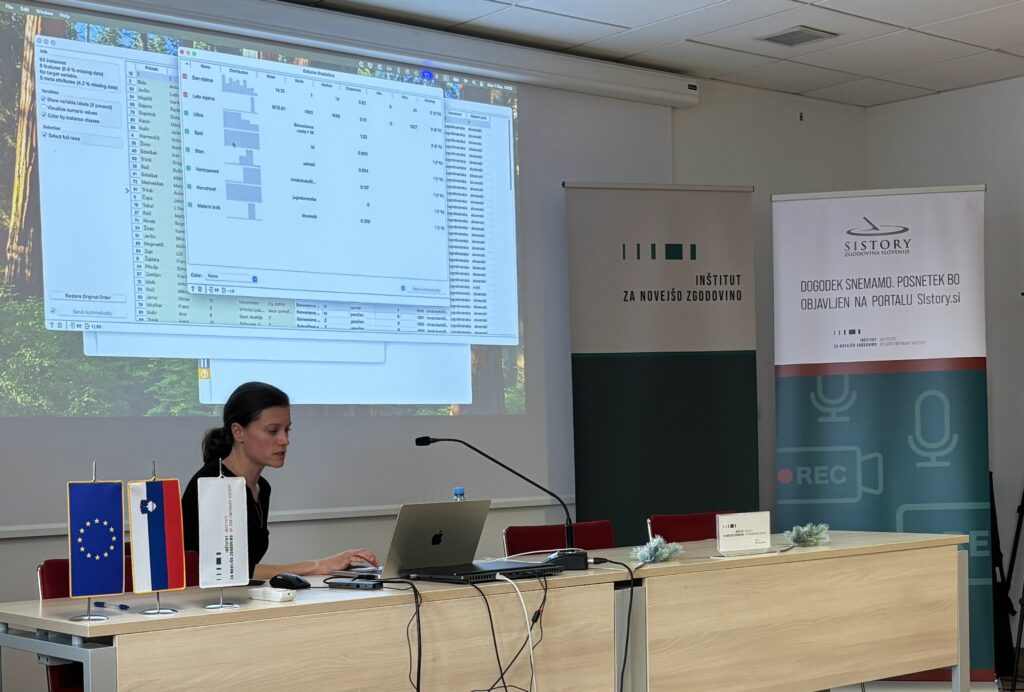
Dr Ajda Pretnar Žagar delivered a session on data management and processing, guiding participants through different data types and the roles of variables and indexes
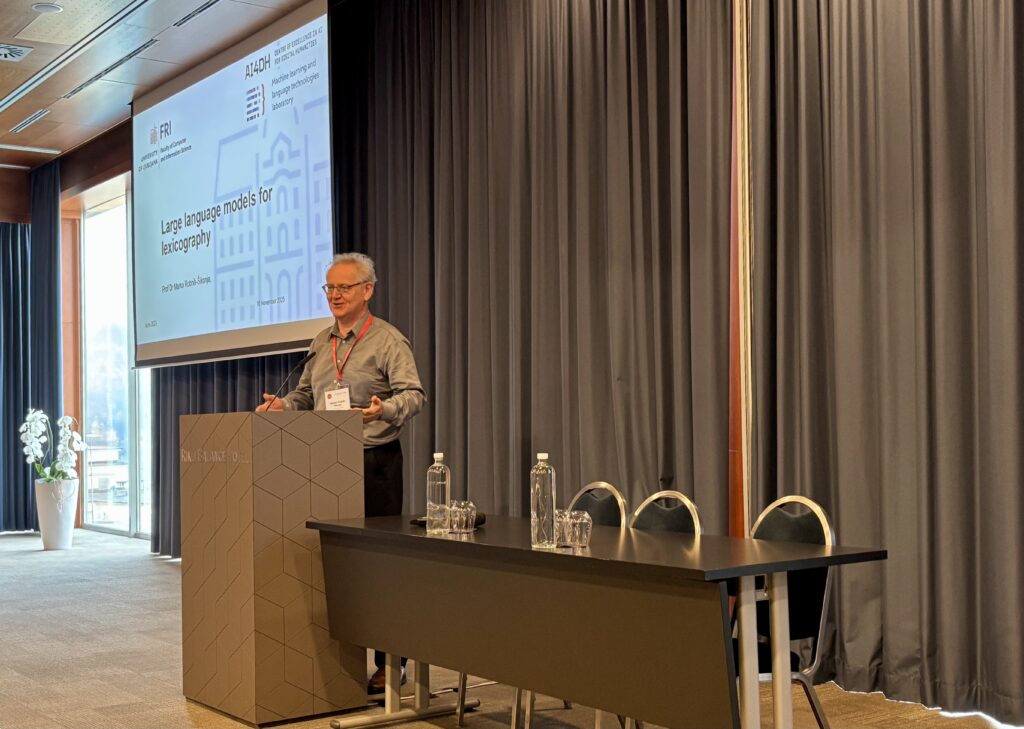
Dr. Marko Robnik Šikonja delivered the keynote address at the eLex 2025 conference on electronic lexicography. His talk explored a central question: how are large language models (LLMs) transforming the field of lexicography? He examined their benefits and limitations, and also considered what the future may bring.
The first two workshops in the series are: Data Management and Processing (held on 1 December) and Trends and Challenges in Artificial Intelligence (held on 5 December).
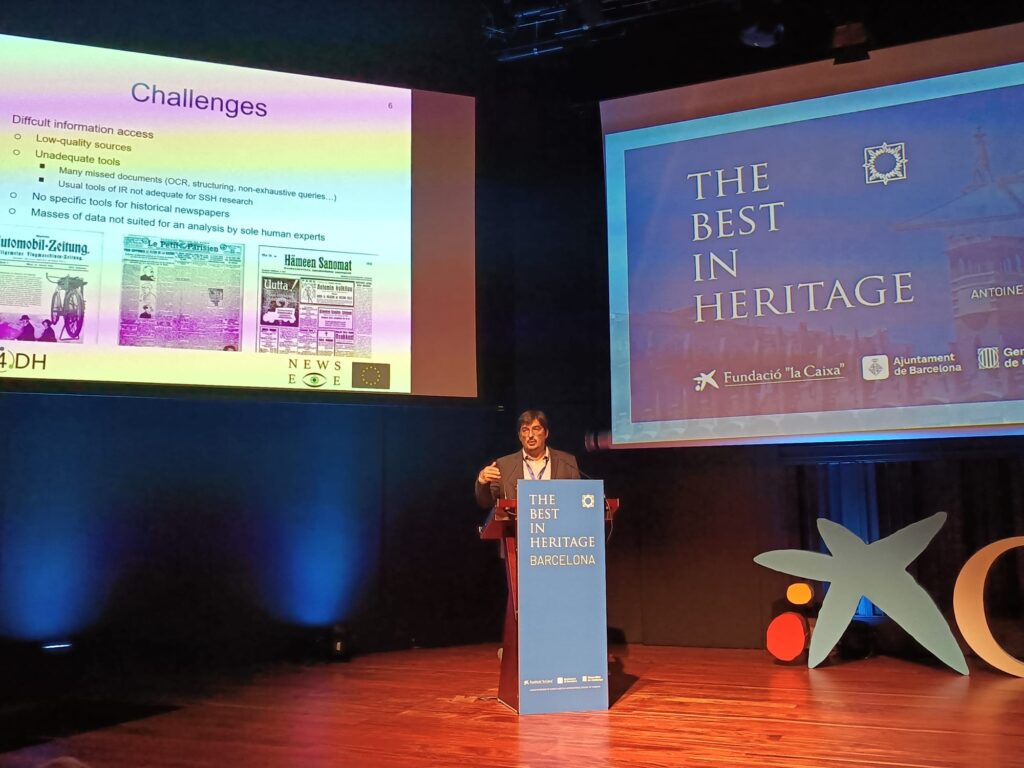
Our ERA Chair Holder Dr Antoine Doucet received Best in Heritage Award for his project NewsEye.