AI4DH Lecture at the Faculty of Arts, University of Ljubljana
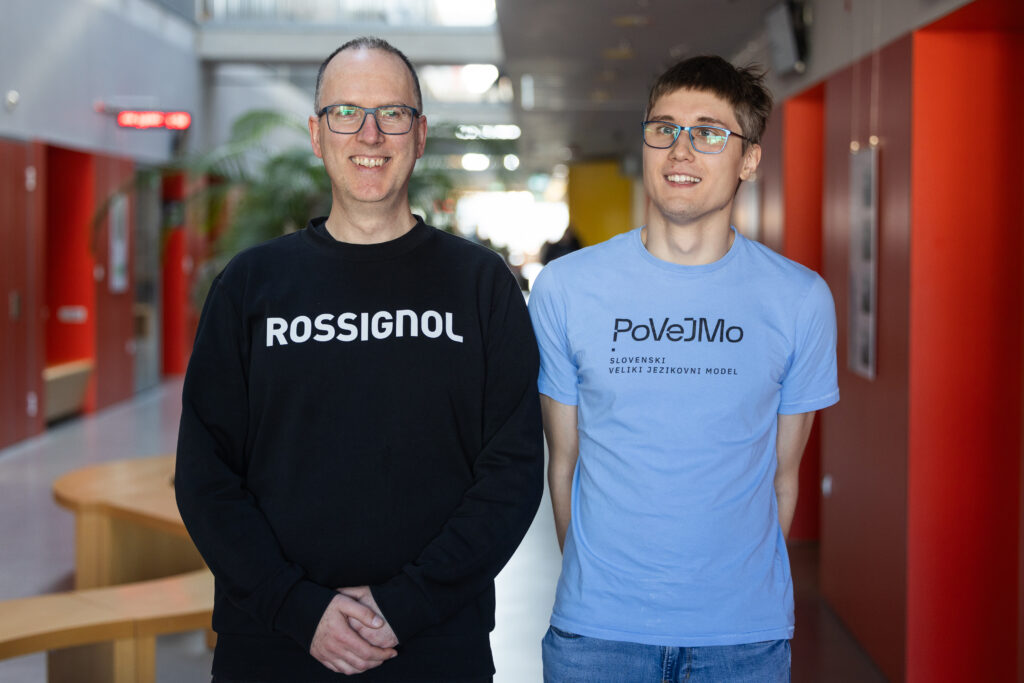
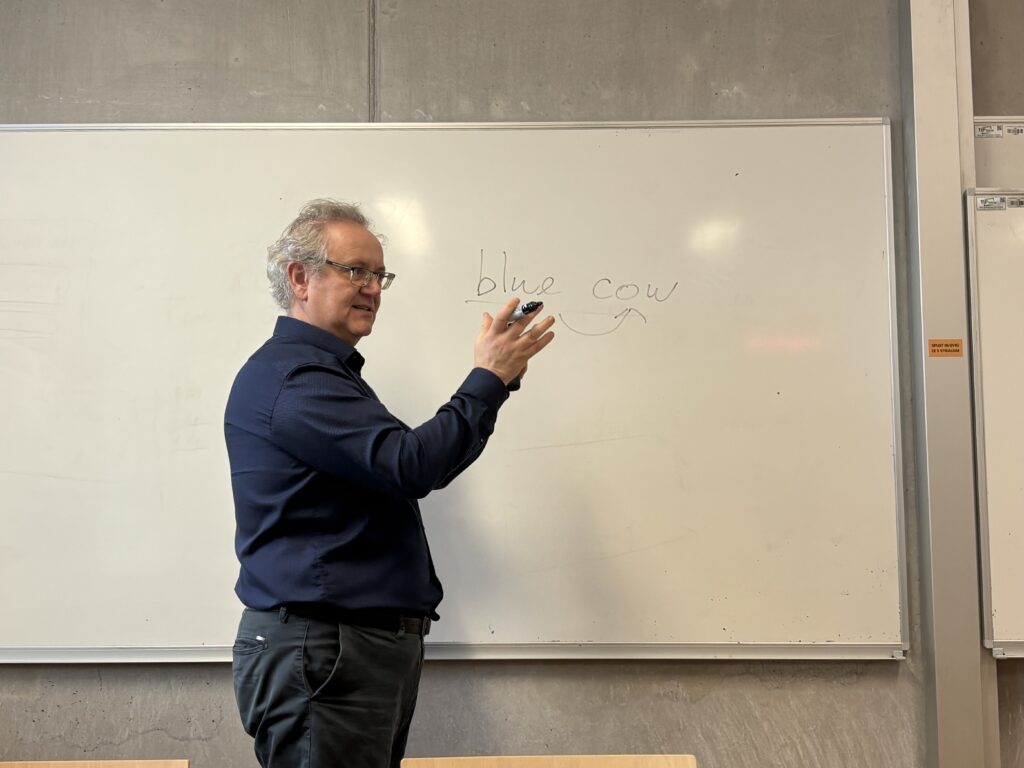
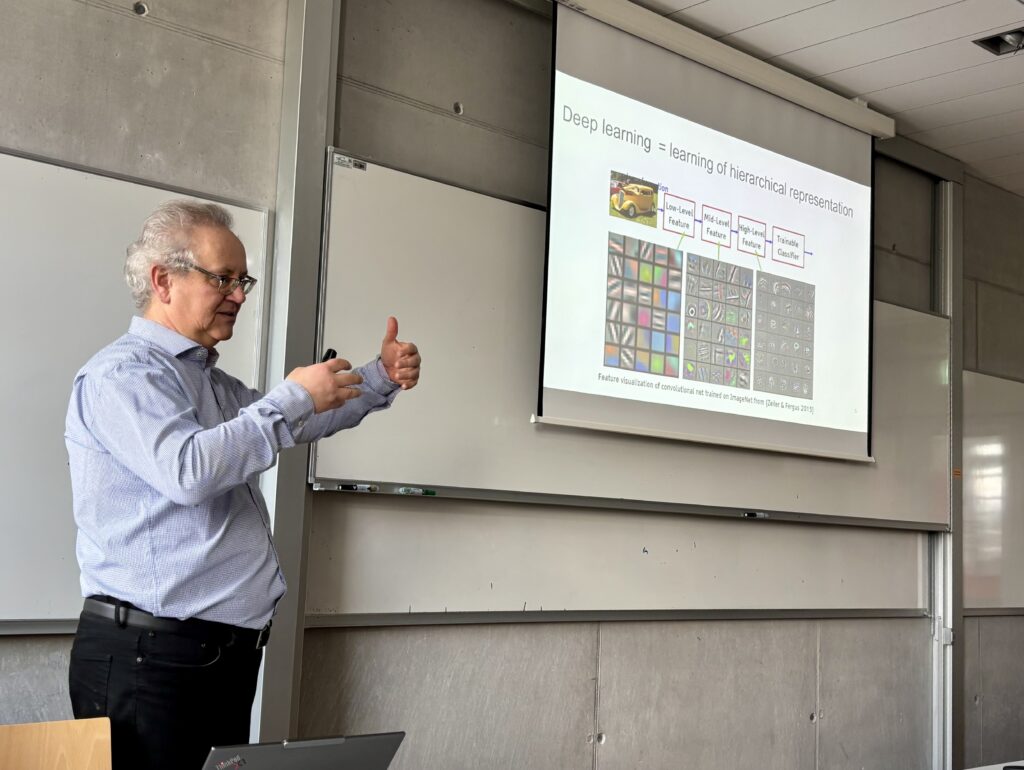
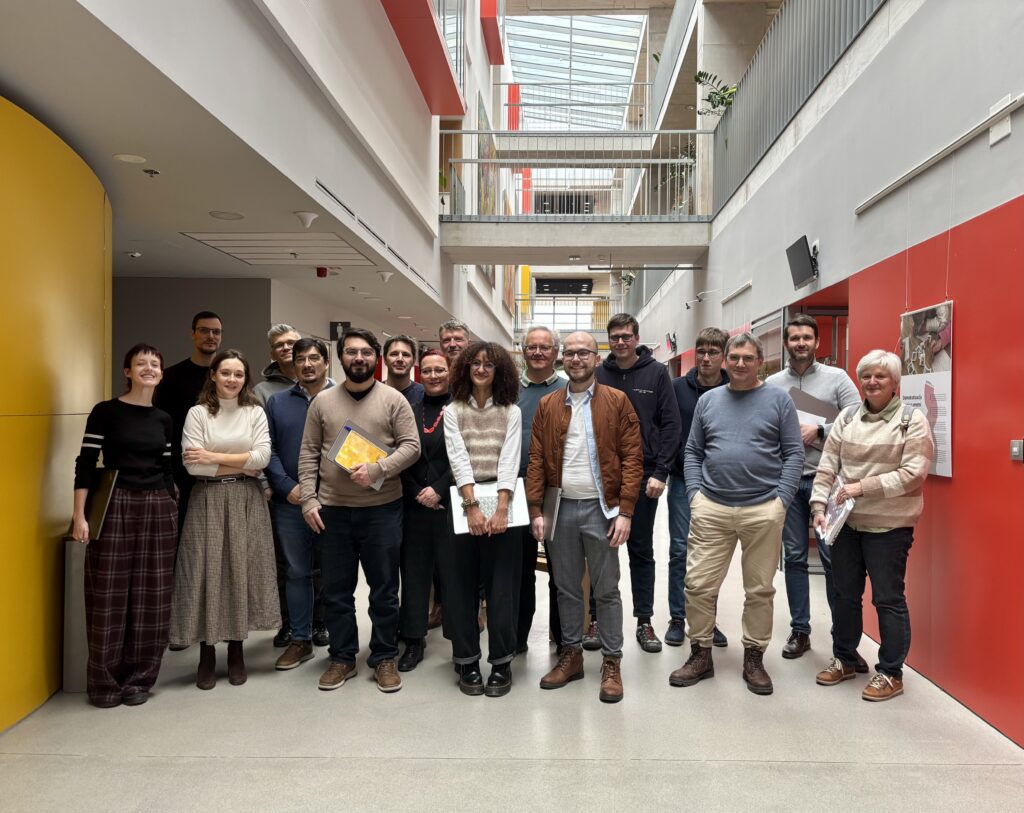
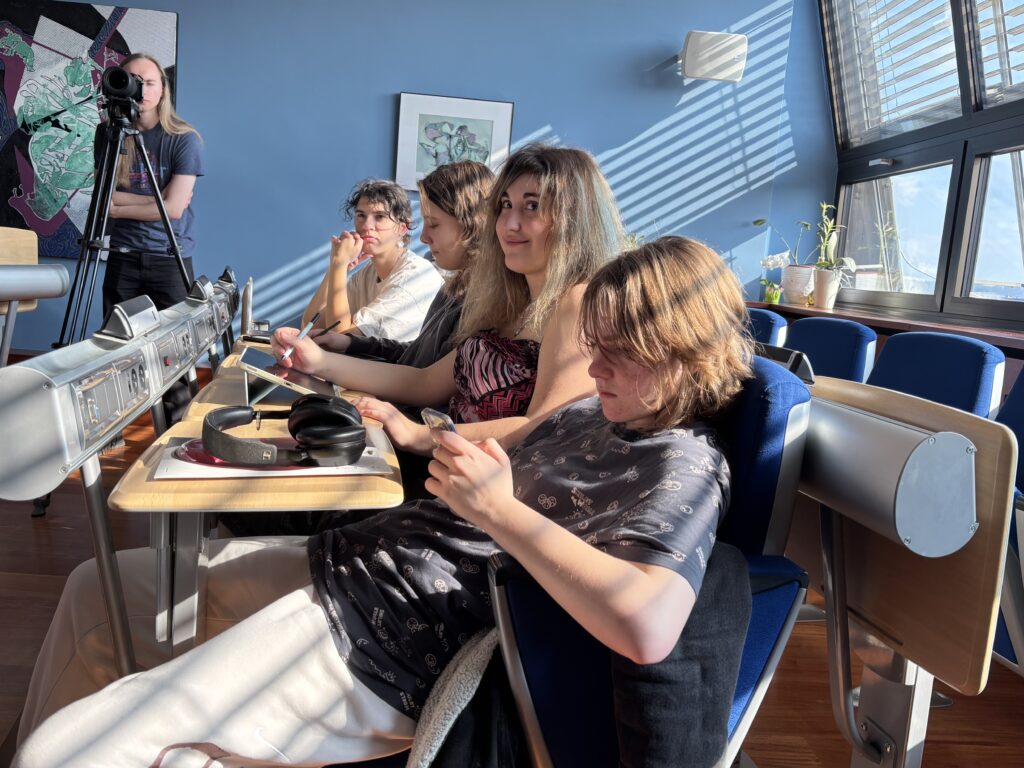
On Tuesday, 3 March 2026, Prof. Dr Marko Robnik Šikonja gave a lecture titled "Large Language Models for Analyses in Digital Humanities" at the Faculty of Arts, University of Ljubljana.

Vse novice so v angleškem jeziku.
On Tuesday, 3 March 2026, Prof. Dr Marko Robnik Šikonja gave a lecture titled "Large Language Models for Analyses in Digital Humanities" at the Faculty of Arts, University of Ljubljana.
An international conference convened at the University of Ljubljana, Faculty of Computer and Information Science.
The European Centre of Excellence in Artificial Intelligence for Digital Humanities (CoE AI4DH) invites postdoctoral researchers to apply for Marie Skłodowska-Curie Postdoctoral Fellowships (MSCA-PF) with CoE AI4DH as their host institution.
PhD researcher Domen Vreš received the world's smallest supercomputer through the NVIDIA Academic Grant Program.
On 4 February 2026, we organised a full-day hands-on introduction to using large language models in digital humanities and social sciences research.
Prof. Dr Marko Robnik-Šikonja presented the workings of the transformer architecture in neural networks and decoder models, which are used in generative models such as ChatGPT.
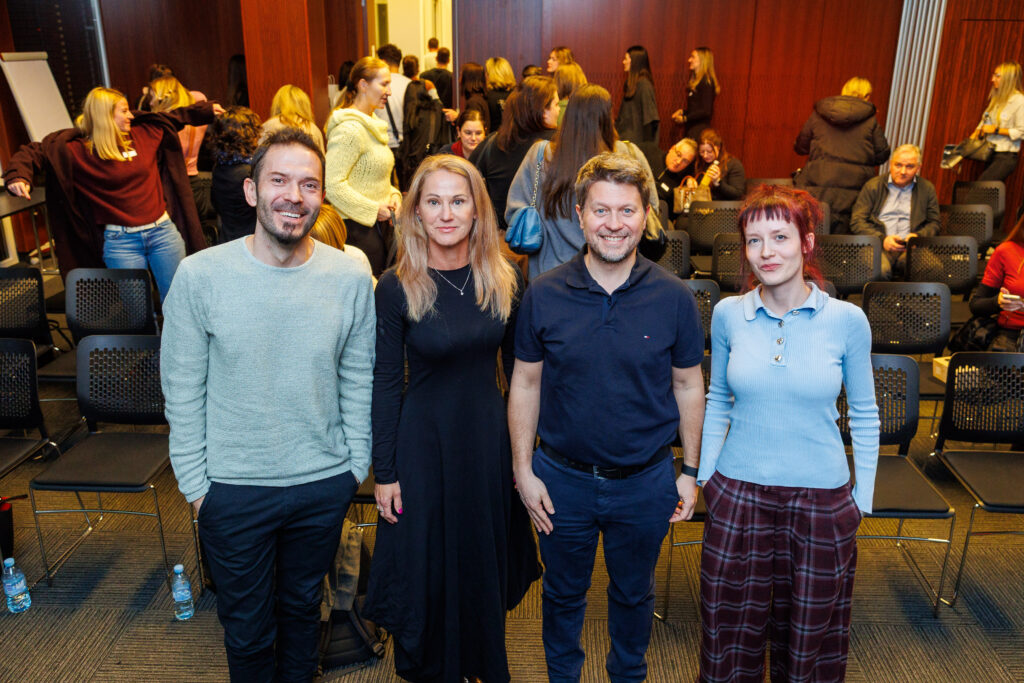
PhD researcher Rebeka Kropivšek Leskovar took part in a panel discussion titled Trendomania: What will shape the game in 2026?, organised by the Slovenian Marketing Association as part of its member meetup.
On Monday, 26 January 2026, we launched the AI4DH 2026 Workshops and Lecture Series with a lecture by Prof. Dr Marko Robnik-Šikonja on large language models for analyses in digital humanities.
In this long-read article, we share insights into our ongoing research and the main challenges we are tackling.
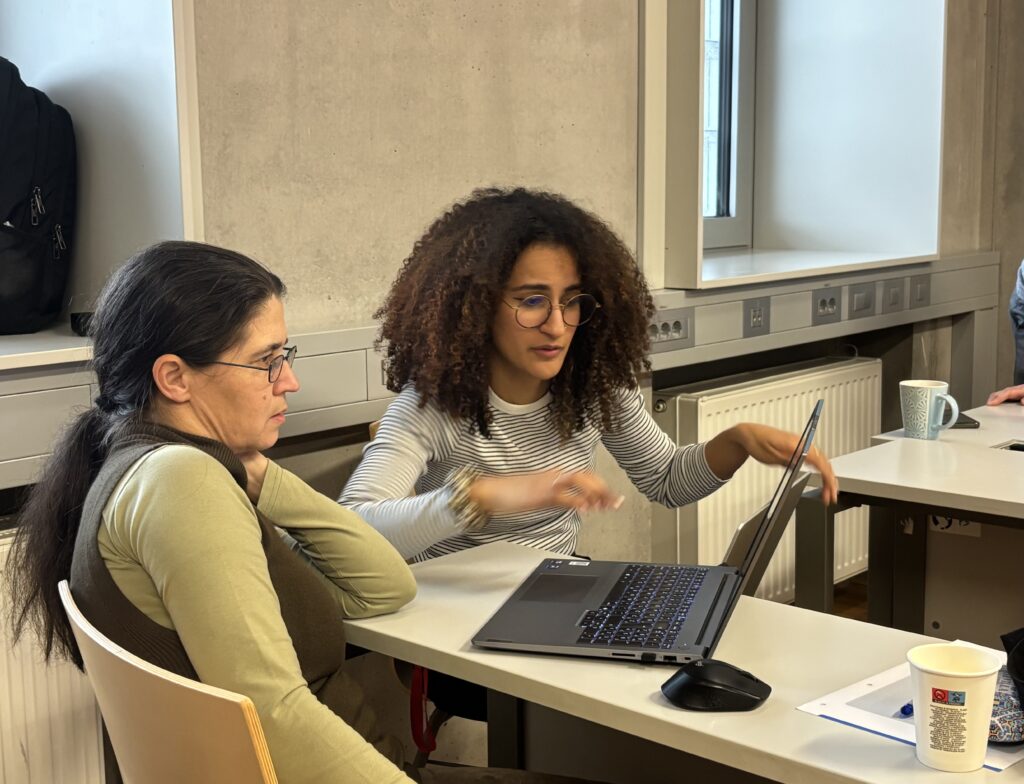
Our first session brought together participants interested in using Python for digital humanities, focusing on supporting each other in addressing practical questions that arise when learning to code.